
The essential guide to mountain photography
Reading time: 4 min.
19/08/2024
Photographing in the mountains is a dream for every photographer. From snow-capped peaks to vast green panoramas, every shot has the potential to become a perfect postcard.
That is, of course, as long as you don’t overlook the details! Photographing in the mountains can be challenging without the right preparation and a good command of the right techniques. If you don’t know where to start, you’re in the right place: in this guide, you’ll discover how to capture the essence of the peaks, from basic technique to more complex shots, such as at sunrise or at night, when photographing the stars.
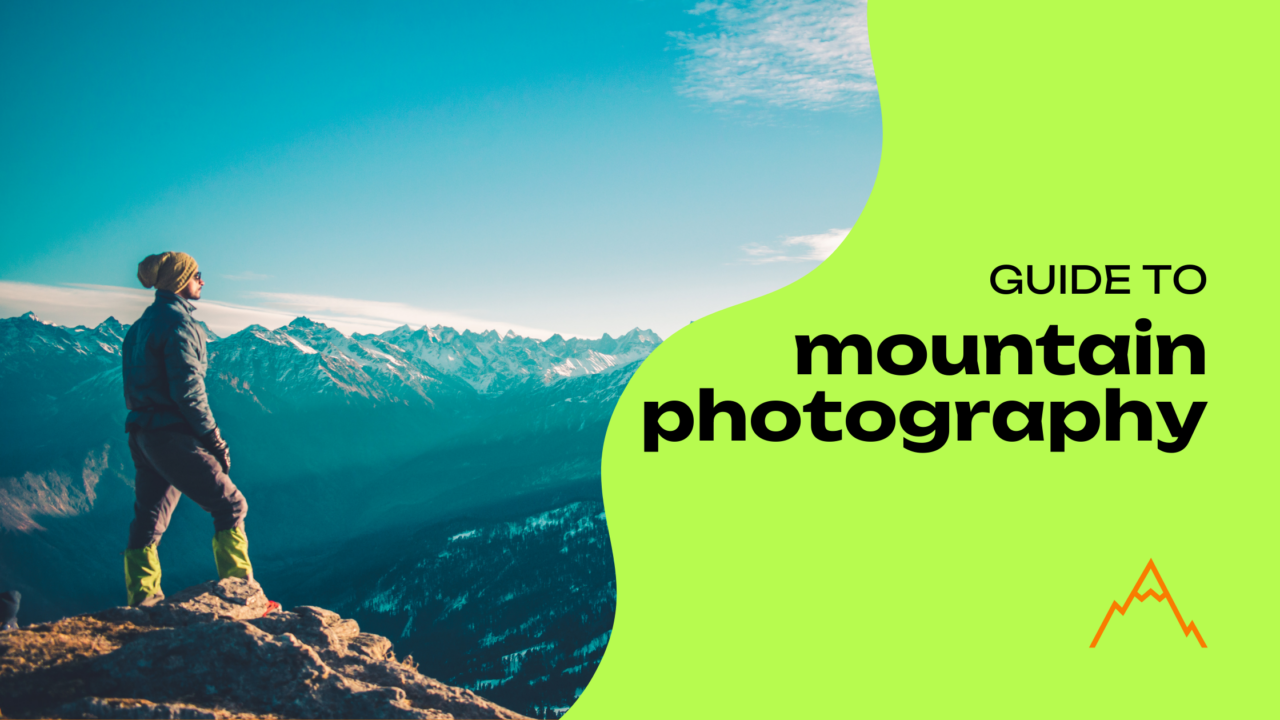
Basic techniques for mountain photography
Let’s start with the basics. When photographing in the mountains, you absolutely need to pay attention to composition. For example, use the rule of thirds to give your images balance, placing the mountains along the guide lines and the most interesting rock formations at the points of intersection.
Make sure your framing has a good balance between sky and الأرض to prevent one from overpowering the other.
Watch the light — experts’ advice
Anyone who knows photography will tell you to pay close attention to the light — mountain environments can present extremely variable lighting conditions.
Sunrise and sunset offer the softest and most colourful light, making them ideal for emotional photographs with strong dramatic impact. And here’s one tip: don’t forget to use a polarising filter to reduce glare and increase the saturation of the sky and green foliage in your photos.
And if the lighting conditions are really terrible — for example under a bright sky — remember that HDR mode is on your side!

How to photograph sunrise in the mountains
Capturing sunrise in the mountains takes dedication and a bit of planning. Wake up early and find a high spot that gives you a clear view of the eastern horizon. Fortunately, most modern smartphones have dedicated modes for low-light photography that are perfect for sunrise shots. As mentioned earlier, turn on HDR mode — High Dynamic Range — to make sure your phone can capture both the areas lit by the first sunlight and those still in shadow without losing detail.
Then do your best to keep your phone as steady as possible, and if you can, use a tripod to avoid blurry photos. Finally, be creative: there are endless angles and shooting possibilities to experiment with!
Photographing the stars and the magic of the night
Night photography in the mountains offers spectacular views of star-filled skies, free from the light pollution of the city. The perfect opportunity to photograph a starry sky!
For stellar shots, use a long exposure, a stable tripod, and an app to track the moon phases so you can plan the best moment for your photos.
⭐️ BONUS: your smartphone is incredibly powerful — did you know you can even use it to photograph the Northern Lights?

A few tips on equipment
When heading into the mountains, it pays to be well equipped, and investing in good gear can make all the difference. Alongside a sturdy tripod and a few filters, consider getting wide-angle lenses to capture vast mountain landscapes. And don’t forget a good waterproof, shock-resistant case to protect your smartphone or camera from the elements.
Now that everything is ready for your next high-altitude photography adventure, it might be useful to know that you can turn the phenomenal photos you’re about to take into fun sticker collectibles. Discover our themed albums.
More news from the world of figurines
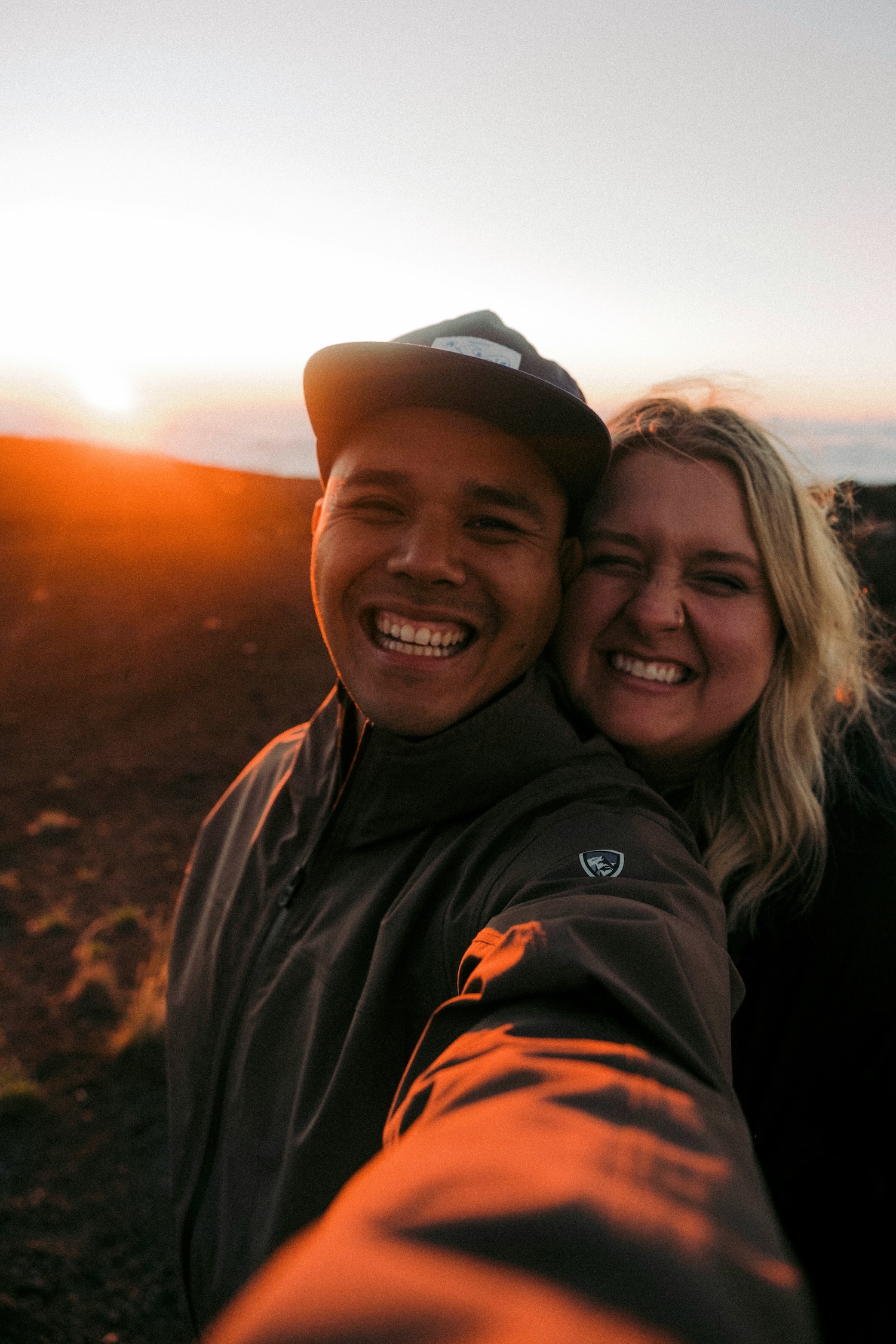
How to Photograph the Sunrise: Capture the Magic of the Morning with Your Smartphone

Custom Sticker Album: What it is, who it’s for, and for which occasions

The world of tiny details: a simple guide to macro photography with your smartphone
Live Photos: How They Work and Why They Can Make Your Album More Exciting

HDR Photos: What Does This Acronym Mean?

A personalized sticker album for every occasion

A photo album for a First Communion? With stickers, it’s even more creative!

Municipality of Gordona: over 500 stickers, dozens of pages, and a story to tell
Capture the magic of the season: 7 ideas for spectacular autumn photos

Backlit Photography: 5 Tips for Creating Stunning Images

How to Photograph a Sunset with Your Phone: 5 Photo-Saving Tips

Stickers are good for your business

7 street photography tips for beginners

How to organize a Carnival party using stickers

How to Photograph Cats and Capture Perfectly Sweet Shots
Where to do street photography in Rome

No More Boomer Selfies: 10 Creative Self-Portrait Ideas That Actually Slay

A touch of magic for your couple photos

How to Photograph the Moon with an iPhone: 5 Tips to Dream Big!

7 of the Most Photographed Cities in the World

So scary: how to organise a Halloween party and take spine-chilling photos!

How to Photograph the Northern Lights: Capture the Essence of the Arctic

White Balance: the Trick That Makes Your Photos Perfect

Explore the magic of nature and take incredible forest photos

How to Create Football Player Stickers

10 ideas for organizing an original baby shower

How to Photograph Your Dog: 5 Tips

What to Give a Friend as a Gift: 5 Personalized Ideas

DIY photo album? Even better… DIY stickers!

8 Photo Ideas to Try at the Beach

How to photograph stars with your smartphone

5 original ideas for personalized football stickers

How to Photograph the Sea with an iPhone: 7 Insider Tips

5 Artistic Couple Photo Ideas to Gift on Valentine’s Day

Original Valentine’s Day Gifts: Personalized Ideas for Him and Her

5 Original Gift Ideas for an 18th Birthday, Full of Creativity

5 Ideas for Decorating Your Home with Photos Using Stickers

How to add magic to your photos with the bokeh effect

Original corporate events? Don’t keep your office stuck to their chairs… put them in a sticker album instead!
Blue Hour Guide: What It Is and How to Photograph It
Where to Do Street Photography in Milan: Must-See Spots to Capture the City’s Essence

5 Must-Have Apps for Taking Selfies

Tourism marketing: 5 effective strategies

How to Save Your Phone Photos to the Cloud: A Guide to Secure Backup

How to turn a grainy photo into a masterpiece: 5 easy tips

Gift sticker albums to colleagues who are retiring

How to Photograph the Stars with an iPhone: 7 Brilliant Tips

5 Photo Apps to Remove the Background from Your Pictures

Shoot or skip? A guide to the perfect Christmas gift for photography lovers

Autumn colours: 5 tricks for photographing foliage like a professional

How to Photograph Food: 5 Tasty (and Useful) Tips

Easy tips for taking photos in the snow

Guide to black-and-white photography for snowy landscapes
